

How to Choose the Right Online Quran Class for Your Child’s Age and Level

Learn Now the Correct Readings and Tajweed: Your Complete Guide to Quranic Mastery The Holy Quran is the literal word of Allah, revealed to the Prophet Muhammad (PBUH) as a timeless guide for humanity. However, engaging with the Quran goes beyond merely understanding its translation. For Muslims, reciting the Quran exactly as it was revealed is a profound spiritual obligation and a deeply rewarding act of worship. If you have ever listened to a beautiful recitation and wished you could read with the same melody, precision, and reverence, the journey begins with understanding the sciences of the Quran. It is time to Learn now the correct readings and Tajweed to elevate your spiritual connection and fulfill the command of Allah: "And recite the Quran with measured recitation." (Surah Al-Muzzammil, 73:4). This comprehensive guide will walk you through the differences between the various readings (Qira'at), the essential rules of Tajweed, the common mistakes to avoid, and how modern online platforms can help you master this noble art from the comfort of your home. Understanding the Difference: Qira'at vs. Tajweed Many beginners confuse the terms "Readings" (Qira'at) and "Tajweed." While they are deeply interconnected, they refer to different branches of Quranic science. Understanding this distinction is the first step toward true mastery. 1. The Science of Qira'at (The Correct Readings) The Quran was revealed in seven distinct Arabic dialects (Ahruf) to accommodate the various tribes of the Arabian Peninsula, making it easier for them to memorize and recite. Over time, these evolved into the ten recognized and universally accepted Qira'at (methods of recitation). Each Qira'ah is named after the famous scholar who preserved and taught it. The most common reading in the world today is Hafs 'an 'Asim. However, in regions like North and West Africa, the reading of Warsh 'an Nafi' is dominant. Other famous readings include Qalun, Al-Duri, and Hamzah. Learning the correct readings means understanding the subtle differences in vowelization, pronunciation, and sometimes even the structure of specific words, all of which have a continuous chain of transmission (Sanad) back to the Prophet (PBUH). 2. The Science of Tajweed (The Art of Perfect Pronunciation) While Qira'at deals with which version of the reading you are following, Tajweed deals with how you pronounce the letters within that reading. Linguistically, "Tajweed" means "to beautify" or "to make excellent." In applied Quranic sciences, it means giving every single Arabic letter its rightful dues and characteristics. This involves knowing exactly where a sound originates in the mouth or throat, how long to stretch a vowel, and when to merge or hide certain sounds. Why Learning Tajweed is Non-Negotiable Reciting the Quran without Tajweed is not just a matter of sounding "less beautiful." It directly impacts the validity of the recitation and the meaning of the sacred text. The Danger of Lahn (Mistakes in Recitation) Scholars of Tajweed categorize mistakes into two main types: Lahn Jali (Major Mistakes): This occurs when a reciter mispronounces a letter or changes a vowel (Harakah). For example, changing the letter ص (Saad) to س (Seen), or changing a Fatha (a sound) to a Damma (u sound). This is a critical error because it completely changes the meaning of the verse. Committing a Lahn Jali intentionally is strictly forbidden, and doing it out of ignorance requires immediate correction. Lahn Khafi (Minor Mistakes): This involves neglecting the specific rules of Tajweed, such as failing to apply Ghunnah (nasalization) or not stretching a Madd (prolongation) for the required number of counts. While it does not change the meaning of the word, it deprives the recitation of its required perfection and beauty. To avoid these pitfalls, every Muslim is encouraged to seek out qualified teachers to correct their tongue. Core Pillars of a Proper Tajweed Education When you enroll in a structured program to learn the correct readings and Tajweed, the curriculum is generally built upon several foundational pillars. 1. Makharij Al-Huroof (Articulation Points) Before you can read words, you must master the letters. Arabic contains sounds that do not exist in the English language, such as the deep, throaty ع ('Ayn) or the heavy ق (Qaf). There are 17 specific articulation points divided across five main areas: Al-Jawf: The empty space in the mouth and throat. Al-Halq: The throat. Al-Lisan: The tongue (where the majority of letters originate). Ash-Shafatain: The two lips. Al-Khaishum: The nasal cavity. 2. Sifaat Al-Huroof (Characteristics of Letters) Even if two letters share the same articulation point, their characteristics make them sound different. For example, some letters are whispered (Hams), while others are pronounced loudly (Jahr). Some are heavy (Tafkheem), and others are light (Tarqeeq). 3. The Rules of Noon Sakinah and Tanween This is one of the most famous and practical chapters in Tajweed. It dictates what happens when a Noon without a vowel (or a Tanween) meets another letter. It is divided into four rules: Izhar (Clarity): Pronouncing the Noon clearly without extra nasalization. Idgham (Merging): Merging the Noon into the following letter. Iqlab (Conversion): Turning the Noon into a Meem when followed by the letter Baa. Ikhfa (Hiding): Hiding the Noon sound with a distinct nasalization (Ghunnah). 4. Waqf and Ibtida (Stopping and Starting) Knowing where to stop in the middle of a verse, and how to start again, is crucial. Stopping in the wrong place can drastically alter the meaning of the verse. Advanced Tajweed courses teach the various stopping signs in the Quran and the grammatical reasons behind them. How to Learn Now: The Power of Online Quran Classes Historically, seeking this knowledge meant traveling long distances to sit at the feet of specialized scholars. Today, the digital revolution has brought these scholars directly to your screen. If you are determined to elevate your recitation, you can Learn now the correct readings and Tajweed through specialized online academies. Here is why this method has become the preferred choice for modern Muslims globally: 1. Access to Certified Native Arab Tutors The most critical factor in learning Tajweed is the teacher. Online platforms connect you with native Arabic speakers from countries like Egypt (famous for Al-Azhar University), who possess an Ijazah—a certified chain of transmission authorizing them to teach the Quran. Their ears are trained to catch the slightest mispronunciation, ensuring you learn correctly from day one. 2. One-on-One Personalized Attention Tajweed is a highly practical science. You cannot learn it effectively in a crowded room. Online classes offer private, one-on-one sessions where the tutor's sole focus is on your mouth movements and your sound. This immediate feedback loop is the fastest way to eradicate bad reading habits. 3. Unmatched Flexibility Balancing work, family, and religious studies can be challenging. Online courses offer 24/7 scheduling. Whether you prefer to learn after Fajr prayers or late at night, you can customize your schedule to ensure consistency. 4. Interactive and Engaging Methodologies Modern online Quran classes utilize digital whiteboards, screen sharing, and interactive Quran portals. Tutors can highlight specific words, draw the articulation points on the screen, and use color-coded Tajweed Qurans to make complex rules easy to digest, even for children. Practical Tips for Your Tajweed Journey As you embark on this beautiful path, keep these practical tips in mind to accelerate your progress: Listen to the Masters: Surround yourself with the recitations of legendary Qaris like Sheikh Mahmoud Khalil Al-Hussary, Sheikh Abdul Basit 'Abd us-Samad, and Sheikh Mishary Rashid Alafasy. Active listening trains your ear to recognize the correct application of rules. Record Your Recitation: We often sound different in our heads than we do in reality. Record yourself reading a Surah and play it back. Compare it to your teacher's recitation to identify areas of improvement. Consistency is Key: The tongue is a muscle, and Tajweed requires muscle memory. Practicing for 15 minutes every single day is vastly superior to practicing for two hours once a week. Patience and Sincerity: Learning the Quran is a lifelong journey. Do not get frustrated if you struggle with certain letters initially. The Prophet (PBUH) promised double the reward for the one who recites the Quran while struggling with it. Conclusion The Quran is the greatest gift given to humanity. Taking the time to read it correctly, observing its rules, and mastering its melodies is a testament to your love for Allah and His Messenger. The knowledge is no longer locked away in distant lands; it is available at your fingertips. Do not let procrastination delay your spiritual growth. Take action today, connect with certified scholars, and begin the most rewarding educational journey of your life. Learn now the correct readings and Tajweed and transform your recitation from ordinary to extraordinary.
 

Finding the best online Quran class for your child is a decision that shapes not only their Quranic knowledge but also their connection to Islamic values and identity. With the rise of digital learning, parents now have access to a wide range of Quran courses tailored to every age, level, and learning style. But how do you ensure the class you choose truly fits your child’s needs and helps them thrive? This guide will walk you through the essential factors, expert tips, and proven strategies to select the right online Quran class-so your child can build a strong foundation in faith, confidence, and Quranic excellence.

Why the Right Quran Class Matters for Your Child

The early years are the most formative for a child’s spiritual and intellectual growth. Enrolling your child in a Quran class that matches their age and level ensures they:

  • Develop a genuine love for the Quran and Islamic teachings
  • Learn at a comfortable pace, building confidence and motivation
  • Master correct recitation (Tajweed) and memorization skills
  • Receive age-appropriate instruction and engagement
  • Build positive study habits and discipline

Choosing the right class is not just about convenience-it’s about giving your child the best possible start on their Quranic journey.
Child’s Age and Level

powered by ai

Understanding Your Child’s Age and Learning Stage

Every child is unique, and so are their learning needs. Online Quran academies typically structure their programs around age groups and skill levels to ensure effective learning:

Age Groups

  • Toddlers (3–5 years): Need playful, interactive lessons with songs, animations, and visual aids to keep them engaged.
  • Young Children (6–8 years): Benefit from storytelling, colorful visuals, and simple activities that make learning fun and memorable.
  • Older Children (9–12 years): Ready for more structured lessons, progress tracking, and deeper understanding of Quranic meanings.
  • Teens (13+ years): Can handle advanced Tajweed, memorization, and tafseer (explanation), often with more independent study.

Skill Levels

  • Beginner: No prior knowledge of Arabic letters or Quranic recitation. Focus on letter recognition, pronunciation, and basic Tajweed.
  • Intermediate: Can read Arabic words, familiar with short Surahs, and ready to learn more complex Tajweed rules.
  • Advanced: Fluent in recitation, working on memorization (Hifz), advanced Tajweed, and understanding Quranic meanings.

You can also view: Learn Quran Online for Kids | Fun & Easy Classes at Home

Key Factors to Consider When Choosing an Online Quran Class

1. Qualified and Child-Friendly Teachers

Certified, experienced teachers are the backbone of any quality Quran program. Look for:

  • Teachers with Ijazah (certification) from reputable institutions
  • Experience teaching children of your child’s age group
  • Ability to create a supportive, engaging, and patient learning environment
  • Native or fluent Arabic speakers for authentic pronunciation

2. Personalized Learning Plans

Children progress at different rates. The best online Quran classes offer:

  • Initial assessment to determine your child’s current level
  • Customized lesson plans that adapt as your child grows
  • Regular feedback and progress reports for parents

3. Interactive and Engaging Methods

Young learners need more than just lectures. Effective Quran classes use:

  • Visual aids, stories, and multimedia presentations
  • Educational games and quizzes to reinforce learning
  • One-on-one or small group sessions for personalized attention
  • Positive reinforcement through certificates, badges, or competitions

4. Structured Curriculum with Clear Progression

A well-designed curriculum ensures steady growth. Look for programs that:

  • Start with Noorani Qaida or equivalent for beginners
  • Gradually introduce Tajweed rules and Surah memorization
  • Include regular revision and practice sessions
  • Offer advanced options like Ijazah or tafseer for older or advanced students
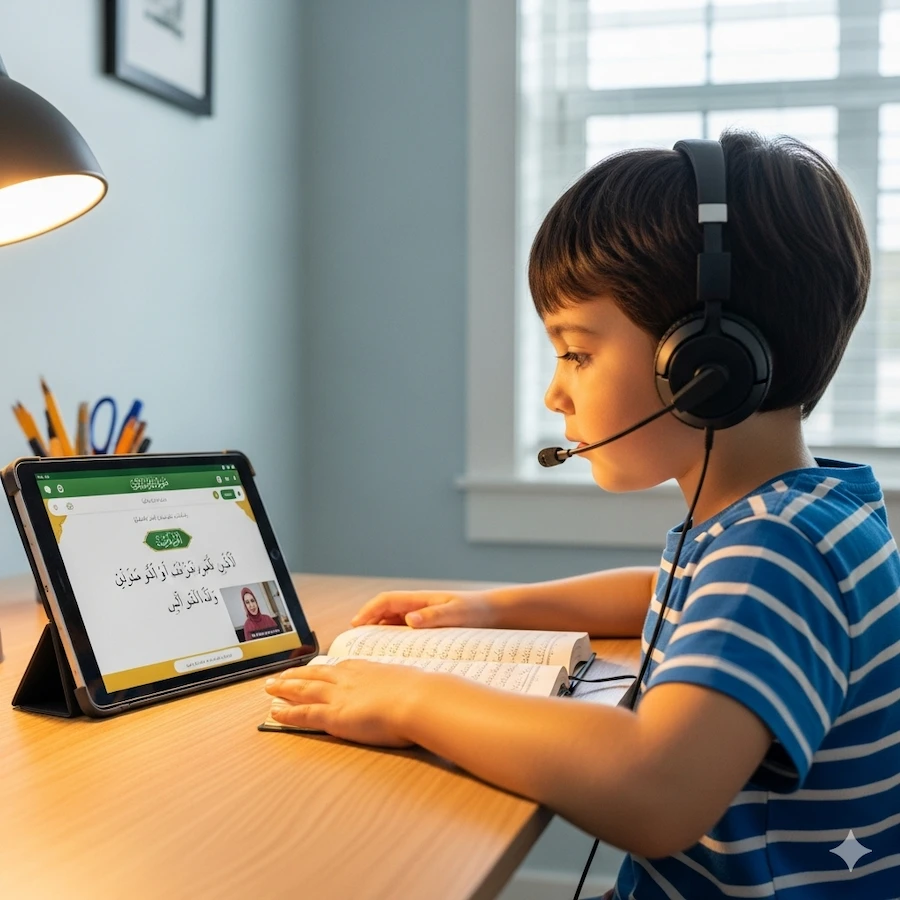
Online Quran Class

powered by ai

5. Flexible Scheduling and Accessibility

Online learning should fit your family’s routine. Consider:

  • Flexible class timings (morning, evening, weekends)
  • Options for one-on-one or group classes
  • Easy access via phone, tablet, or computer
  • Recorded sessions for revision or missed classes

You can also view: Online Tajweed Course: Learn the Rules of Quran Recitation 

6. Safe and Supportive Learning Environment

Safety and comfort are paramount, especially for young children. Ensure:

  • All teachers are background-checked and trained to work with kids
  • Classes are conducted in private, secure online rooms
  • Parents can observe or receive regular updates on progress

7. Transparent Pricing and Free Trials

Reputable academies are upfront about costs and often offer:

  • Affordable monthly plans or pay-as-you-go options
  • Free trial classes to experience the teaching style before committing

Comparing Top Online Quran Classes for Kids

To help you make an informed choice, here’s how leading platforms structure their offerings:

Feature
Beginner (Ages 4–6)
Intermediate (Ages 7–10)
Advanced (Ages 11+)
Focus
Arabic letters, Noorani Qaida, short Surahs
Full Surahs, Tajweed rules, basic memorization
Hifz, advanced Tajweed, tafseer, Ijazah
Teaching Style
Playful, visual, interactive
Storytelling, quizzes, group work
Structured lessons, progress tracking
Session Length
15–20 minutes
25–30 minutes
30–45 minutes
Assessment
Informal, ongoing
Regular quizzes, parent updates
Formal assessments, certificates
Parent Involvement
High
Moderate
Optional, as needed

How to Assess Your Child’s Readiness and Level

Before enrolling, consider these steps:

  1. Observe your child’s interest and attention span. Younger kids may need shorter, more frequent sessions.
  2. Check their familiarity with Arabic letters and sounds. If they’re new, start with a Noorani Qaida or alphabet course.
  3. Ask for a placement test from the academy to accurately determine their level.
  4. Discuss goals (recitation, memorization, understanding) with your child and the teacher.
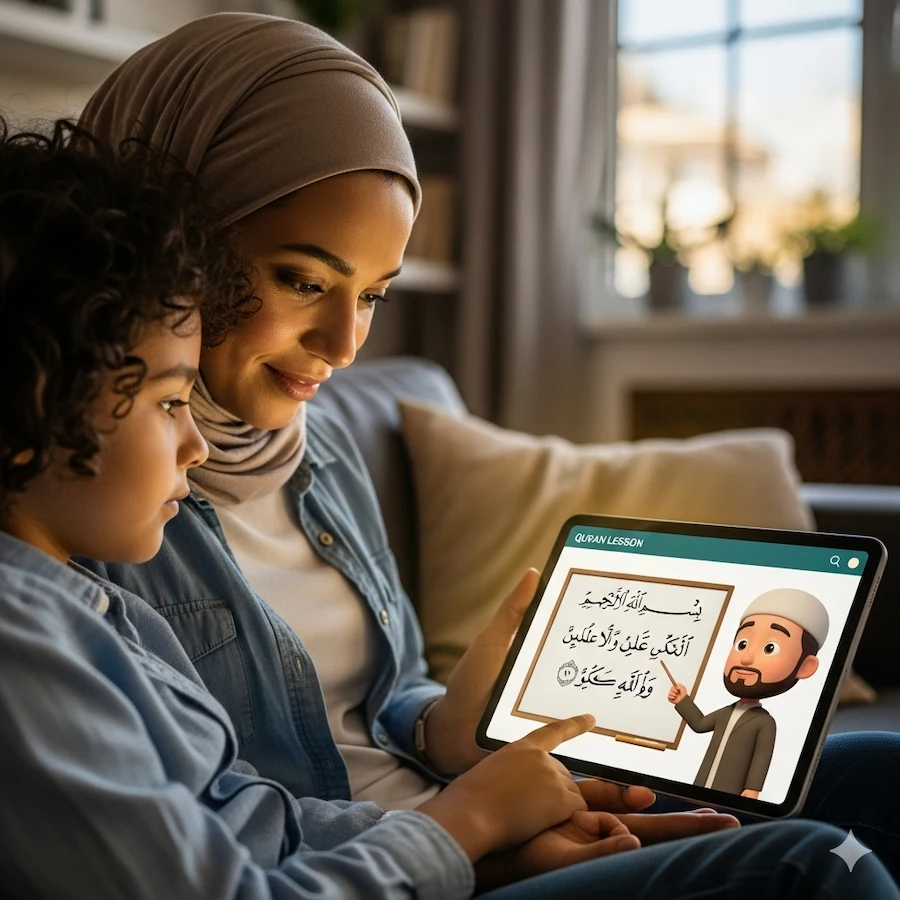
How to Choose Quran

powered by ai

Questions to Ask Before Enrolling

  • What is the teacher’s qualification and experience with children?
  • How is the curriculum structured for different ages and levels?
  • Are lessons live or pre-recorded?
  • How is progress tracked and communicated to parents?
  • What is the student-to-teacher ratio?
  • Are there trial classes or satisfaction guarantees?
  • How are lessons adapted for children with learning differences?

Common Mistakes to Avoid

  • Choosing a class solely based on price or convenience
  • Ignoring your child’s learning style or pace
  • Overlooking the importance of Tajweed and correct pronunciation
  • Not checking teacher credentials or reviews
  • Failing to monitor progress or communicate with instructors

Real Parent Experiences: What Matters Most

According to recent discussions on parenting forums and reviews, parents value:

  • Consistent, patient teachers who motivate rather than pressure
  • Regular feedback and open communication with instructors
  • Visible progress in recitation and memorization
  • Flexible scheduling that fits family routines
  • Safe, respectful online environments
https://www.youtube.com/watch?v=XbOL5HMWTCc

You can also view: Memorize the Quran Easily with the online hifz course

FAQs About Online Quran Classes for Kids

What age should my child start learning Quran online?

Most academies recommend starting as early as 4 years old, with lessons tailored to attention span and readiness.

Can my child memorize the Quran online?

Yes, many platforms offer structured Hifz programs with step-by-step guidance, regular revision, and progress tracking.

How do I know if my child is progressing?

Look for academies that provide regular assessments, progress reports, and opportunities for your child to recite in front of others.

Are online Quran classes safe?

Reputable platforms ensure all teachers are vetted, classes are private, and parents can observe or receive updates.

What if my child is shy or struggles to focus?

Choose one-on-one sessions with experienced teachers who use engaging, interactive methods and adapt to your child’s needs.

How Top Quran Classes Supports Your Child’s Quranic Journey

At Top Quran Classes, we understand that every child’s Quranic journey is unique. Our programs are designed to:

  • Match your child’s age, level, and learning style
  • Provide certified, caring teachers with years of experience
  • Offer flexible scheduling and personalized lesson plans
  • Use interactive, engaging methods to make learning joyful
  • Track progress and keep parents involved every step of the way

Explore our Quran for Kids page to discover how we can help your child build a lifelong love for the Quran.

Empower Your Child’s Faith-Start Their Quranic Journey Today

Choosing the right online Quran class is an investment in your child’s faith, character, and future. By focusing on age-appropriate instruction, qualified teachers, and engaging methods, you set your child up for success-both in this world and the Hereafter. Take the next step: research, ask questions, and try a free class to see the difference for yourself. Your child’s Quranic journey starts with the right choice-make it count.