
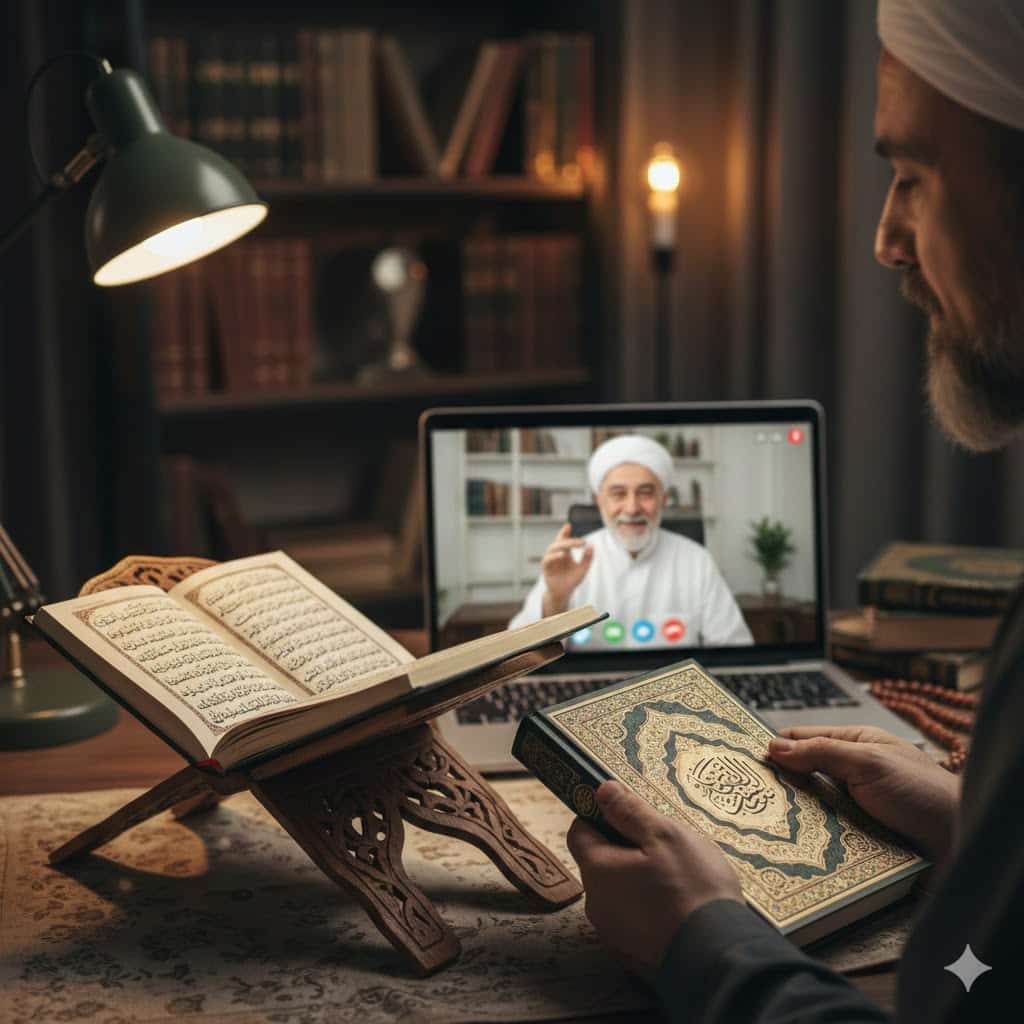
Ten Qirat Classes Online 2026

Mastering the Divine Recitations: Your Guide to Ten Qirat Classes Online The recitation of the Holy Quran is a sacred art, passed down through generations of scholars, ensuring the accuracy and purity of the divine word. While many Muslims learn to read the Quran according to the most common narration (Hafs 'an Asim), a deeper journey awaits those seeking scholarly mastery: the study of the Ten Qira'at. If you are a dedicated student, a certified Hafiz, or a teacher looking to elevate your knowledge and gain an authoritative certificate, enrolling in Ten Qirat Classes Online is the most practical and efficient path. This comprehensive guide will explore what the Ten Qira'at are, why online learning is the superior method, and how to find the perfect course to achieve your Ijazah in Ten Qirat. Unveiling the Ten Qira'at: The Authorized Modes of Recitation The term Qira'at (القراءات) refers to the authorized methods of reciting the Holy Quran, which differ slightly in the pronunciation of specific words, letters, or vowels while remaining true to the original meaning and the Uthmanic Mus'haf (the standardized written text). The authentic Qira'at are known as Mutawātir (continuously recited by many authoritative sources) and they represent the permissible ways the Prophet Muhammad (peace be upon him) recited the Quran to his companions. The system of the Ten Qira'at is based on the methods of ten eminent Imams (scholars) of the early Islamic period. These are the seven (Saba’ah) recognized Qira’at, plus three more authoritative narrations (Thalāthah). Each Qira'ah is narrated by two main students (Rāwī), leading to twenty distinct chains of narration. The Ten Eminent Imams and Their Narrators Understanding the foundation of the Qira'at is essential before joining any Online Qirat Classes. Below are the ten recognized Imams and their two primary narrators: Imam Nafi' al-Madani (d. 169 AH): Rāwiyān: Qālūn and Warsh. Imam Ibn Kathir al-Makki (d. 120 AH): Rāwiyān: Al-Bazzī and Qunbul. Imam Abu Amr al-Basri (d. 154 AH): Rāwiyān: Ad-Dūrī and As-Sūsī. Imam Ibn Amir ash-Shami (d. 118 AH): Rāwiyān: Hishām and Ibn Dhakwān. Imam Asim al-Kufi (d. 127 AH): Rāwiyān: Shu'bah and Hafs (Hafs 'an Asim is the most common today). Imam Hamzah al-Kufi (d. 156 AH): Rāwiyān: Khalaf and Khallād. Imam Al-Kisa’i al-Kufi (d. 189 AH): Rāwiyān: Abul Hārith and Hafs ad-Dūrī (a different Durī). These first seven form the Saba’ah (Seven Qira’at). Imam Abu Ja’far al-Madani (d. 130 AH): Rāwiyān: Ibn Wardān and Ibn Jammāz. Imam Ya’qub al-Hadrami al-Basri (d. 205 AH): Rāwiyān: Ruways and Rooh. Imam Khalaf Ibn Hishām al-Kufi (d. 229 AH): Rāwiyān: Ishāq and Idrīs. The latter three complete the Asharah (Ten Qira’at). Studying all these Qira'at provides a profound appreciation for the miraculous nature of the Quran and the rigorous preservation methods employed by early scholars. This level of specialization is reserved for dedicated students who have already mastered basic Tajweed and Hifz. The Definitive Advantage of Ten Qirat Classes Online While traditional centers offer Qira'at courses, the complexity and time commitment required make the online format the preferred choice for serious students globally. Learn 10 Qirat with unprecedented ease through the benefits of online schooling: 1. Access to Globally Certified Experts The teachers qualified to grant an Ijazah in Ten Qirat are rare and often concentrated in specific centers like Al-Azhar in Egypt or Madinah. By choosing Online Quran Qirat Institutes, you bypass geographical limitations and connect instantly with certified Sheikhs and Sheikhahs who hold impeccable Sanad (chain of narration) directly to the Prophet (PBUH). This guarantees the authenticity of your learning and your eventual Ijazah. 2. Unmatched Flexibility and Custom Scheduling Mastering the Qira'at requires intense dedication and consistent practice over an extended period. Online classes offer the flexibility to schedule your sessions around your professional life, family commitments, or university studies. You can: Study at any time, day or night. Attend classes from anywhere in the world. Take classes one-to-one, ensuring 100% of the teacher’s focus is on correcting your pronunciation and application. 3. Systematic and Structured Curriculum Reputable online academies offer a highly structured curriculum tailored specifically for advanced students. The program is usually divided into stages, starting with the three complementary Qira'at (Abu Ja'far, Ya'qub, and Khalaf) after the seven, and culminating in a final review of all twenty narrations. This methodical approach ensures deep understanding before moving to the next Qira'ah. The Path to Mastery: Curriculum and Methodology An effective online course must provide more than just recitation practice. It must train the student in the foundational knowledge that underpins the variant readings. Core Curriculum Components When looking for Certified Qirat Teachers and classes, ensure the program covers these critical areas: Matn (The Poetic Text): Students typically memorize the major texts that outline the Qira'at rules, such as Al-Shāṭibiyyah (for the Seven Qira'at) and Al-Durrah al-Madiyyah (for the Three complementing Qira'at), often combined into Tayyibat al-Nashr by Ibn al-Jazari for the Ten. The Principles (Usūl): Learning the fundamental principles of each Imam’s methodology. This involves studying the general rules of Madd (lengthening), Imālah (slanting the vowel sound), and Idghām (merging consonants) as applied by each Rāwī. The Deviations (Farsh): Focusing on the specific, singular word differences across the Quranic chapters. Practical Application: Reciting the entire Quran (or significant portions) to the teacher while applying the rules of one specific Qira'ah, followed by the next, in a sequential or combined manner (known as Jam') until all ten are mastered. Achieving the Ijazah: The Ultimate Goal The ultimate certification is the Ijazah in Ten Qirat. This is a formal license that certifies the student's mastery of the recitation and application of the Qira'at and authorizes them to teach it to others. The Ijazah is granted only after the student completes the recitation of the entire Quran to the certified Sheikh/Sheikha flawlessly, applying all the rules of the Ten Qira'at. The Ijazah is accompanied by the Sanad, a verifiable chain of transmission linking the student’s recitation back to the Prophet Muhammad (PBUH). This makes the Ten Qirat Classes Online a powerful opportunity to join the illustrious chain of Quranic scholarship. How to Select the Best Ten Qirat Classes Online The market for online Islamic education is vast, but specialized Qira'at courses require careful vetting. Choose your institute wisely to ensure the quality and authenticity of your certification. 1. Teacher Qualifications and Sanad Check the Sanad: The most important factor. Ensure the teacher holds a valid, documented Ijazah in the Ten Qira'at from a recognized scholarly institution (e.g., Al-Azhar). Experience in Teaching Qira'at: Teaching Qira'at differs vastly from teaching basic Tajweed. Look for teachers who have a proven track record of successfully graduating students with Ijazahs. 2. Methodology and Course Materials Structured Curriculum: Does the institute follow a recognized sequence (like studying the Matn first)? Resources: Does the course provide access to necessary texts (Matn poems, detailed notes, and charts) to assist in memorization and comprehension? 3. Reviews and Student Success Testimonials: Look for reviews specifically from students who have completed the Online Qirat Classes and successfully received their Ijazah. Support System: Ensure the institute offers a responsive support system, technical assistance for online learning platforms, and clear communication channels with the teachers. Conclusion: Embrace the Legacy of the Qira'at The journey to master the Ten Qira'at is a monumental commitment, one that places you among the esteemed scholars who dedicate their lives to the service of the Holy Quran. Studying the Ten Qirat Classes Online provides the modern Muslim scholar with the necessary flexibility and global access to the highest caliber of teaching, fulfilling this noble endeavor. By choosing a reputable Online Quran Qirat Institute and dedicating yourself to the rigorous requirements of the course, you will not only perfect your recitation but also gain a deeper, more comprehensive understanding of the Book of Allah. Start your exploration today and book a consultation to speak with a certified Sheikh about your journey towards achieving the prestigious Ijazah in Ten Qirat.

Mastering the Divine Recitations: Your Guide to Ten Qirat Classes Online

Ten Qirat Classes Online The recitation of the Holy Quran is a sacred art, passed down through generations of scholars, ensuring the accuracy and purity of the divine word. While many Muslims learn to read the Quran according to the most common narration (Hafs ‘an Asim), a deeper journey awaits those seeking scholarly mastery: the study of the Ten Qira’at.

If you are a dedicated student, a certified Hafiz, or a teacher looking to elevate your knowledge and gain an authoritative certificate, enrolling in Ten Qirat Classes Online is the most practical and efficient path. This comprehensive guide will explore what the Ten Qira’at are, why online learning is the superior method, and how to find the perfect course to achieve your Ijazah in Ten Qirat.

Unveiling the Ten Qira’at: The Authorized Modes of Recitation

The term Qira’at (القراءات) refers to the authorized methods of reciting the Holy Quran, which differ slightly in the pronunciation of specific words, letters, or vowels while remaining true to the original meaning and the Uthmanic Mus’haf (the standardized written text).

The authentic Qira’at are known as Mutawātir (continuously recited by many authoritative sources) and they represent the permissible ways the Prophet Muhammad (peace be upon him) recited the Quran to his companions.

The system of the Ten Qira’at is based on the methods of ten eminent Imams (scholars) of the early Islamic period. These are the seven (Saba’ah) recognized Qira’at, plus three more authoritative narrations (Thalāthah). Each Qira’ah is narrated by two main students (Rāwī), leading to twenty distinct chains of narration.

The Ten Eminent Imams and Their Narrators

Understanding the foundation of the Qira’at is essential before joining any Online Qirat Classes. Below are the ten recognized Imams and their two primary narrators:

  1. Imam Nafi’ al-Madani (d. 169 AH):

    • Rāwiyān: Qālūn and Warsh.

  2. Imam Ibn Kathir al-Makki (d. 120 AH):

    • Rāwiyān: Al-Bazzī and Qunbul.

  3. Imam Abu Amr al-Basri (d. 154 AH):

    • Rāwiyān: Ad-Dūrī and As-Sūsī.

  4. Imam Ibn Amir ash-Shami (d. 118 AH):

    • Rāwiyān: Hishām and Ibn Dhakwān.

  5. Imam Asim al-Kufi (d. 127 AH):

    • Rāwiyān: Shu’bah and Hafs (Hafs ‘an Asim is the most common today).

  6. Imam Hamzah al-Kufi (d. 156 AH):

    • Rāwiyān: Khalaf and Khallād.

  7. Imam Al-Kisa’i al-Kufi (d. 189 AH):

    • Rāwiyān: Abul Hārith and Hafs ad-Dūrī (a different Durī).

    • These first seven form the Saba’ah (Seven Qira’at).

  8. Imam Abu Ja’far al-Madani (d. 130 AH):

    • Rāwiyān: Ibn Wardān and Ibn Jammāz.

  9. Imam Ya’qub al-Hadrami al-Basri (d. 205 AH):

    • Rāwiyān: Ruways and Rooh.

  10. Imam Khalaf Ibn Hishām al-Kufi (d. 229 AH):

    • Rāwiyān: Ishāq and Idrīs.

    • The latter three complete the Asharah (Ten Qira’at).

MUST READ:  how hajj is performed step by step? | Top Quran Classes

Studying all these Qira’at provides a profound appreciation for the miraculous nature of the Quran and the rigorous preservation methods employed by early scholars. This level of specialization is reserved for dedicated students who have already mastered basic Tajweed and Hifz.

The Definitive Advantage of Ten Qirat Classes Online

While traditional centers offer Qira’at courses, the complexity and time commitment required make the online format the preferred choice for serious students globally. Learn 10 Qirat with unprecedented ease through the benefits of online schooling:

1. Access to Globally Certified Experts

The teachers qualified to grant an Ijazah in Ten Qirat are rare and often concentrated in specific centers like Al-Azhar in Egypt or Madinah. By choosing Online Quran Qirat Institutes, you bypass geographical limitations and connect instantly with certified Sheikhs and Sheikhahs who hold impeccable Sanad (chain of narration) directly to the Prophet (PBUH). This guarantees the authenticity of your learning and your eventual Ijazah.
Mastering the Divine Recitations: Your Guide to Ten Qirat Classes OnlineThe recitation of the Holy Quran is a sacred art, passed down through generations of scholars, ensuring the accuracy and purity of the divine word. While many Muslims learn to read the Quran according to the most common narration (Hafs 'an Asim), a deeper journey awaits those seeking scholarly mastery: the study of the Ten Qira'at. If you are a dedicated student, a certified Hafiz, or a teacher looking to elevate your knowledge and gain an authoritative certificate, enrolling in Ten Qirat Classes Online is the most practical and efficient path. This comprehensive guide will explore what the Ten Qira'at are, why online learning is the superior method, and how to find the perfect course to achieve your Ijazah in Ten Qirat. Unveiling the Ten Qira'at: The Authorized Modes of Recitation The term Qira'at (القراءات) refers to the authorized methods of reciting the Holy Quran, which differ slightly in the pronunciation of specific words, letters, or vowels while remaining true to the original meaning and the Uthmanic Mus'haf (the standardized written text). The authentic Qira'at are known as Mutawātir (continuously recited by many authoritative sources) and they represent the permissible ways the Prophet Muhammad (peace be upon him) recited the Quran to his companions. The system of the Ten Qira'at is based on the methods of ten eminent Imams (scholars) of the early Islamic period. These are the seven (Saba’ah) recognized Qira’at, plus three more authoritative narrations (Thalāthah). Each Qira'ah is narrated by two main students (Rāwī), leading to twenty distinct chains of narration. The Ten Eminent Imams and Their Narrators Understanding the foundation of the Qira'at is essential before joining any Online Qirat Classes. Below are the ten recognized Imams and their two primary narrators: Imam Nafi' al-Madani (d. 169 AH): Rāwiyān: Qālūn and Warsh. Imam Ibn Kathir al-Makki (d. 120 AH): Rāwiyān: Al-Bazzī and Qunbul. Imam Abu Amr al-Basri (d. 154 AH): Rāwiyān: Ad-Dūrī and As-Sūsī. Imam Ibn Amir ash-Shami (d. 118 AH): Rāwiyān: Hishām and Ibn Dhakwān. Imam Asim al-Kufi (d. 127 AH): Rāwiyān: Shu'bah and Hafs (Hafs 'an Asim is the most common today). Imam Hamzah al-Kufi (d. 156 AH): Rāwiyān: Khalaf and Khallād. Imam Al-Kisa’i al-Kufi (d. 189 AH): Rāwiyān: Abul Hārith and Hafs ad-Dūrī (a different Durī). These first seven form the Saba’ah (Seven Qira’at). Imam Abu Ja’far al-Madani (d. 130 AH): Rāwiyān: Ibn Wardān and Ibn Jammāz. Imam Ya’qub al-Hadrami al-Basri (d. 205 AH): Rāwiyān: Ruways and Rooh. Imam Khalaf Ibn Hishām al-Kufi (d. 229 AH): Rāwiyān: Ishāq and Idrīs. The latter three complete the Asharah (Ten Qira’at). Studying all these Qira'at provides a profound appreciation for the miraculous nature of the Quran and the rigorous preservation methods employed by early scholars. This level of specialization is reserved for dedicated students who have already mastered basic Tajweed and Hifz. The Definitive Advantage of Ten Qirat Classes Online While traditional centers offer Qira'at courses, the complexity and time commitment required make the online format the preferred choice for serious students globally. Learn 10 Qirat with unprecedented ease through the benefits of online schooling: 1. Access to Globally Certified Experts The teachers qualified to grant an Ijazah in Ten Qirat are rare and often concentrated in specific centers like Al-Azhar in Egypt or Madinah. By choosing Online Quran Qirat Institutes, you bypass geographical limitations and connect instantly with certified Sheikhs and Sheikhahs who hold impeccable Sanad (chain of narration) directly to the Prophet (PBUH). This guarantees the authenticity of your learning and your eventual Ijazah. 2. Unmatched Flexibility and Custom Scheduling Mastering the Qira'at requires intense dedication and consistent practice over an extended period. Online classes offer the flexibility to schedule your sessions around your professional life, family commitments, or university studies. You can: Study at any time, day or night. Attend classes from anywhere in the world. Take classes one-to-one, ensuring 100% of the teacher’s focus is on correcting your pronunciation and application. 3. Systematic and Structured Curriculum Reputable online academies offer a highly structured curriculum tailored specifically for advanced students. The program is usually divided into stages, starting with the three complementary Qira'at (Abu Ja'far, Ya'qub, and Khalaf) after the seven, and culminating in a final review of all twenty narrations. This methodical approach ensures deep understanding before moving to the next Qira'ah. The Path to Mastery: Curriculum and Methodology An effective online course must provide more than just recitation practice. It must train the student in the foundational knowledge that underpins the variant readings. Core Curriculum Components When looking for Certified Qirat Teachers and classes, ensure the program covers these critical areas: Matn (The Poetic Text): Students typically memorize the major texts that outline the Qira'at rules, such as Al-Shāṭibiyyah (for the Seven Qira'at) and Al-Durrah al-Madiyyah (for the Three complementing Qira'at), often combined into Tayyibat al-Nashr by Ibn al-Jazari for the Ten. The Principles (Usūl): Learning the fundamental principles of each Imam’s methodology. This involves studying the general rules of Madd (lengthening), Imālah (slanting the vowel sound), and Idghām (merging consonants) as applied by each Rāwī. The Deviations (Farsh): Focusing on the specific, singular word differences across the Quranic chapters. Practical Application: Reciting the entire Quran (or significant portions) to the teacher while applying the rules of one specific Qira'ah, followed by the next, in a sequential or combined manner (known as Jam') until all ten are mastered. Achieving the Ijazah: The Ultimate Goal The ultimate certification is the Ijazah in Ten Qirat. This is a formal license that certifies the student's mastery of the recitation and application of the Qira'at and authorizes them to teach it to others. The Ijazah is granted only after the student completes the recitation of the entire Quran to the certified Sheikh/Sheikha flawlessly, applying all the rules of the Ten Qira'at. The Ijazah is accompanied by the Sanad, a verifiable chain of transmission linking the student’s recitation back to the Prophet Muhammad (PBUH). This makes the Ten Qirat Classes Online a powerful opportunity to join the illustrious chain of Quranic scholarship. How to Select the Best Ten Qirat Classes Online The market for online Islamic education is vast, but specialized Qira'at courses require careful vetting. Choose your institute wisely to ensure the quality and authenticity of your certification. 1. Teacher Qualifications and Sanad Check the Sanad: The most important factor. Ensure the teacher holds a valid, documented Ijazah in the Ten Qira'at from a recognized scholarly institution (e.g., Al-Azhar). Experience in Teaching Qira'at: Teaching Qira'at differs vastly from teaching basic Tajweed. Look for teachers who have a proven track record of successfully graduating students with Ijazahs. 2. Methodology and Course Materials Structured Curriculum: Does the institute follow a recognized sequence (like studying the Matn first)? Resources: Does the course provide access to necessary texts (Matn poems, detailed notes, and charts) to assist in memorization and comprehension? 3. Reviews and Student Success Testimonials: Look for reviews specifically from students who have completed the Online Qirat Classes and successfully received their Ijazah. Support System: Ensure the institute offers a responsive support system, technical assistance for online learning platforms, and clear communication channels with the teachers. Conclusion: Embrace the Legacy of the Qira'at The journey to master the Ten Qira'at is a monumental commitment, one that places you among the esteemed scholars who dedicate their lives to the service of the Holy Quran. Studying the Ten Qirat Classes Online provides the modern Muslim scholar with the necessary flexibility and global access to the highest caliber of teaching, fulfilling this noble endeavor. By choosing a reputable Online Quran Qirat Institute and dedicating yourself to the rigorous requirements of the course, you will not only perfect your recitation but also gain a deeper, more comprehensive understanding of the Book of Allah. Start your exploration today and book a consultation to speak with a certified Sheikh about your journey towards achieving the prestigious Ijazah in Ten Qirat.
Free Trial Quran Class

2. Unmatched Flexibility and Custom Scheduling

Mastering the Qira’at requires intense dedication and consistent practice over an extended period. Online classes offer the flexibility to schedule your sessions around your professional life, family commitments, or university studies. You can:

  • Study at any time, day or night.

  • Attend classes from anywhere in the world.

  • Take classes one-to-one, ensuring 100% of the teacher’s focus is on correcting your pronunciation and application.

3. Systematic and Structured Curriculum

Reputable online academies offer a highly structured curriculum tailored specifically for advanced students. The program is usually divided into stages, starting with the three complementary Qira’at (Abu Ja’far, Ya’qub, and Khalaf) after the seven, and culminating in a final review of all twenty narrations. This methodical approach ensures deep understanding before moving to the next Qira’ah.

The Path to Mastery: Curriculum and Methodology

An effective online course must provide more than just recitation practice. It must train the student in the foundational knowledge that underpins the variant readings.

Core Curriculum Components

When looking for Certified Qirat Teachers and classes, ensure the program covers these critical areas:

  • Matn (The Poetic Text): Students typically memorize the major texts that outline the Qira’at rules, such as Al-Shāṭibiyyah (for the Seven Qira’at) and Al-Durrah al-Madiyyah (for the Three complementing Qira’at), often combined into Tayyibat al-Nashr by Ibn al-Jazari for the Ten.

  • The Principles (Usūl): Learning the fundamental principles of each Imam’s methodology. This involves studying the general rules of Madd (lengthening), Imālah (slanting the vowel sound), and Idghām (merging consonants) as applied by each Rāwī.

  • The Deviations (Farsh): Focusing on the specific, singular word differences across the Quranic chapters.

  • Practical Application: Reciting the entire Quran (or significant portions) to the teacher while applying the rules of one specific Qira’ah, followed by the next, in a sequential or combined manner (known as Jam’) until all ten are mastered.

MUST READ:  The meaning of being Muslim | Top Quran Classes

Achieving the Ijazah: The Ultimate Goal

The ultimate certification is the Ijazah in Ten Qirat. This is a formal license that certifies the student’s mastery of the recitation and application of the Qira’at and authorizes them to teach it to others.

The Ijazah is granted only after the student completes the recitation of the entire Quran to the certified Sheikh/Sheikha flawlessly, applying all the rules of the Ten Qira’at. The Ijazah is accompanied by the Sanad, a verifiable chain of transmission linking the student’s recitation back to the Prophet Muhammad (PBUH). This makes the Ten Qirat Classes Online a powerful opportunity to join the illustrious chain of Quranic scholarship.

How to Select the Best Ten Qirat Classes Online

The market for online Islamic education is vast, but specialized Qira’at courses require careful vetting. Choose your institute wisely to ensure the quality and authenticity of your certification.

1. Teacher Qualifications and Sanad

  • Check the Sanad: The most important factor. Ensure the teacher holds a valid, documented Ijazah in the Ten Qira’at from a recognized scholarly institution (e.g., Al-Azhar).

  • Experience in Teaching Qira’at: Teaching Qira’at differs vastly from teaching basic Tajweed. Look for teachers who have a proven track record of successfully graduating students with Ijazahs.

2. Methodology and Course Materials

  • Structured Curriculum: Does the institute follow a recognized sequence (like studying the Matn first)?

  • Resources: Does the course provide access to necessary texts (Matn poems, detailed notes, and charts) to assist in memorization and comprehension?

3. Reviews and Student Success

  • Testimonials: Look for reviews specifically from students who have completed the Online Qirat Classes and successfully received their Ijazah.

  • Support System: Ensure the institute offers a responsive support system, technical assistance for online learning platforms, and clear communication channels with the teachers.

    Unlock the Power of Quran: Top 10 Online Quran Academy

Conclusion: Embrace the Legacy of the Qira’at

The journey to master the Ten Qira’at is a monumental commitment, one that places you among the esteemed scholars who dedicate their lives to the service of the Holy Quran. Studying the Ten Qirat Classes Online provides the modern Muslim scholar with the necessary flexibility and global access to the highest caliber of teaching, fulfilling this noble endeavor.

By choosing a reputable Online Quran Qirat Institute and dedicating yourself to the rigorous requirements of the course, you will not only perfect your recitation but also gain a deeper, more comprehensive understanding of the Book of Allah. Start your exploration today and book a consultation to speak with a certified Sheikh about your journey towards achieving the prestigious Ijazah in Ten Qirat.